

How to Repair a Damaged Skin Barrier Naturally
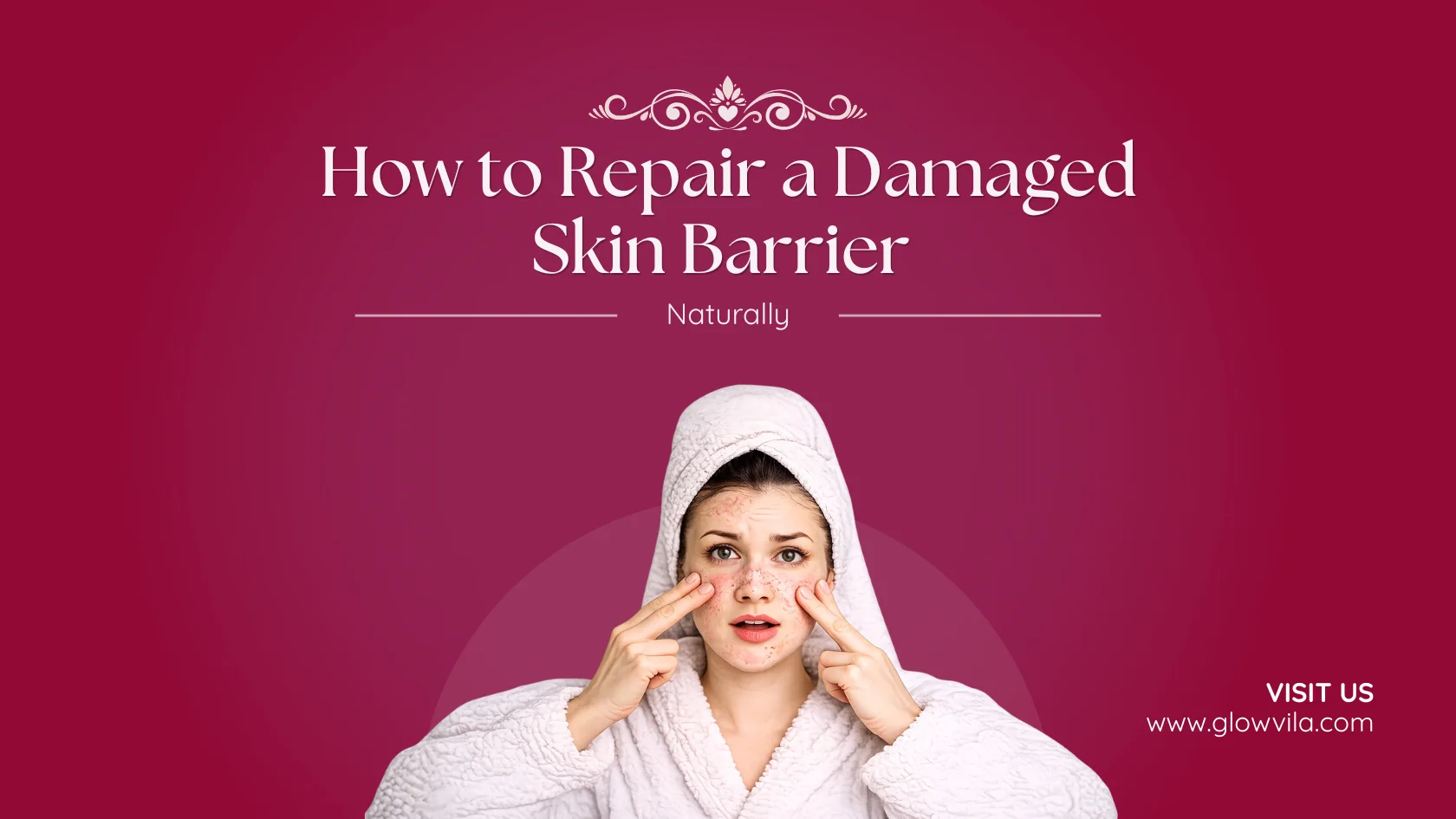
If your skin has suddenly turned tight, red, flaky, or stingy no matter what you put on it, the problem probably isn't a new product, it's your skin barrier. This thin, invisible layer is responsible for almost everything that "good skin" depends on, and when it breaks down, no amount of expensive serum will fix things until the barrier itself is repaired.
The encouraging part is that a damaged skin barrier is one of the most fixable skin problems there is. It doesn't require lasers, prescriptions, or a ten-step routine; it requires simplification, the right ingredients, and time. In this guide, you'll learn exactly what the skin barrier is, how to recognize when it's damaged, what's causing it, and a full natural repair plan including a dedicated section of homemade herbal remedies you can make in your own kitchen, plus the ingredients that help (and the ones that will only make things worse).

Your skin barrier, also called the stratum corneum or "moisture barrier" is the outermost layer of the epidermis, and it's your skin's first line of defense against the outside world. Dermatologists often describe it using the "brick and mortar" model: skin cells (corneocytes) act as the bricks, while a mix of lipids ceramides, cholesterol, and free fatty acids acts as the mortar holding those bricks together in a tight, protective seal.When that mortar is intact, your skin barrier does two essential jobs at once:
Keeps moisture in. A healthy barrier prevents transepidermal water loss (TEWL), which is the technical term for water evaporating out through your skin.This is what keeps skin plump, soft, and hydrated.
Keeps irritants out. The barrier blocks bacteria, allergens, pollutants, and environmental aggressors from penetrating into deeper skin layers, where they can trigger inflammation, breakouts, or sensitivity.
When the lipid "mortar" is stripped away through over-exfoliation, harsh products, or environmental stress water escapes more easily and irritants get in more easily. This one-two failure is exactly what produces the symptoms most people describe as "my skin doesn't feel like mine anymore."
It's also worth understanding that barrier damage isn't just a surface-level cosmetic issue. Because the barrier regulates skin health, a compromised one can worsen or trigger flare-ups of underlying conditions like eczema, rosacea, and acne, which is part of why repairing it needs to be a priority rather than an afterthought.
7 Signs Your Skin Barrier Is Damaged (And What to Do About It)

These are the most common signs of a damaged skin barrier to watch for.
Persistent tightness or dryness that doesn't improve no matter how much moisturizer you apply, or that returns within an hour of applying it.
Redness or a flushed appearance, especially across the cheeks, nose, and forehead, sometimes accompanied by visible blood vessels.
Stinging or burning when you apply products, even gentle ones like plain water-based toners that never used to bother you.
Flaking or rough, uneven texture, often in patches, even in areas that aren't typically dry for you.
Increased sensitivity and reactivity, sudden breakouts, small bumps, or rashes in response to products you've used for months or years without issue.
Excess oil production, which seems counterintuitive but happens because oil glands overcompensate for the water your skin is losing through the damaged barrier.
Slow-healing blemishes or irritation that lingers far longer than it normally would, since a weakened barrier also slows the skin's overall repair processes.
If three or more of these sound familiar, it's a strong signal that your skin barrier is damaged rather than your products being the issue, and the fix is to change your approach rather than add more products on top.
What Causes Skin Barrier Damage?

Skin barrier damage is rarely caused by a single event. It's almost always the result of small, repeated stressors accumulating over weeks or months until the lipid layer simply can't keep up. The most common causes include:
Over-exfoliation using physical scrubs or chemical exfoliants (AHAs, BHAs) too frequently or in too high a concentration strips away the very lipids your barrier depends on to stay intact.
For a full breakdown of the warning signs and a dedicated recovery plan, see our guide on over-exfoliated skin: signs, causes, and recovery.
Retinoid misuse starts at too high a strength, using it every night before your skin has built tolerance, or layering it with other activities, all of which can outpace your skin's ability to adapt.
Harsh cleansers sulfate-based or high-pH cleansers disrupt the skin's natural acid mantle (its ideal pH of around 4.5–5.5) and strip protective oils along with dirt.
Hot showers water that's too hot breaks down surface lipids far faster than lukewarm water, which is why long hot showers often leave skin tight and dry afterward.
Weather cold, dry winter air pulls moisture from skin, while sudden humidity swings and wind exposure can have a similarly stripping effect. Winter skin often needs extra care for this reason.
UV damage chronic sun exposure degrades collagen and steadily weakens the lipid matrix, making skin more prone to water loss and irritation over time.
Recognizing which of these applies to you is genuinely useful, because the fastest path to repair is removing the specific stressor first. No amount of ceramide cream will out-fix a routine that's still over-exfoliating daily.
How to Repair a Damaged Skin Barrier Naturally

Barrier repair works best when you strip your routine down and give skin room to recover.
The single most important step is also the simplest: stop. Pause retinoids, AHAs/BHAs, vitamin C serums, and any exfoliating tools or devices for at least 1–2 weeks, and often longer if damage is significant. This lets your skin repair without the constant setbacks that new actives create.Resist the temptation to reintroduce actives the moment skin looks slightly better. Full repair takes longer than the first signs of improvement suggest.
Replace foaming, sulfate-heavy cleansers with a low-pH, fragrance-free cream, gel, or oil cleanser.A good rule of thumb: if your skin feels squeaky-clean and tight immediately after washing, the cleanser is too harsh for a compromised barrier.Cleanse only once daily at night, to remove sunscreen, makeup, and pollution and simply splash with cool or lukewarm water in the morning.
Ceramides are the most clinically important ingredient for barrier repair because they replace the exact lipids your skin has lost.Look for products listing multiple ceramide types (ceramide NP, AP, EOP) alongside cholesterol and fatty acids in roughly a 3:1:1 ratio this combination closely mimics your skin's own natural composition and has been shown to speed barrier recovery more effectively than ceramides alone.
Pure, unscented aloe vera gel can calm redness, cool stinging skin, and provide light hydration. However, aloe vera products with added alcohol or fragrance can worsen sensitivity, and aloe used alone (without a moisturizer layered on top) can sometimes feel drying as it evaporates. Patch test first, and always follow with a proper moisturizer to seal in the hydration aloe provides.
Colloidal oatmeal is actually an FDA-recognized skin protectant, not just a folk remedy. It forms a soothing film over irritated skin, reduces itching, and has measurable anti-inflammatory effects thanks to compounds called avenanthramides. An oatmeal-based mask or soak used two to three times a week can meaningfully calm a barrier under stress.
Raw or medical-grade honey is a natural humectant, meaning it draws moisture into the skin rather than just sitting on the surface. It also has mild antibacterial and wound-healing properties, which is why it's used in some clinical burn dressings. A thin layer applied as an occasional 10–15 minute mask can support hydration without introducing new irritants.
Skin repairs itself most actively during deep sleep, when blood flow to the skin increases and cell turnover accelerates. Studies have linked poor sleep to slower wound healing and weaker skin barrier function, meaning consistent, quality sleep is a genuine and completely free repair tool that's easy to underestimate.
Drinking enough water supports skin hydration from the inside, while topical humectants like glycerin and hyaluronic acid pull that moisture into the skin's outer layer where it's needed. Neither replaces the other: internal hydration alone won't repair a damaged barrier, but it removes one more obstacle standing in the way of recovery.
Homemade Herbal Remedies That Support Skin Barrier Recovery

Alongside a simplified routine, several traditional herbal ingredients have real, science-backed calming and barrier-supporting properties and you can prepare most of them at home with pantry staples. Here are five homemade remedies you can make this week.
Chamomile contains bisabolol, a compound shown to reduce irritation and calm the skin.
. Steep 2 chamomile tea bags (or 2 tablespoons dried chamomile flowers) in 1 cup of hot water for 10 minutes.
. Let it cool completely in the refrigerator for at least 20 minutes.
. Soak a clean, soft cloth in the cooled tea and press gently onto irritated areas for 5–10 minutes.
. Use once daily during active irritation.
This combines two of the most effective natural anti-inflammatories in one mask.
. Grind 2 tablespoons of plain, unflavored oats into a fine powder (a coffee grinder or blender works well).
. Mix with 1 tablespoon of raw honey and 1–2 teaspoons of plain water or milk to form a thick paste.
. SApply a thin, even layer to clean, dry skin and leave on for 10–15 minutes.
. Rinse off with lukewarm water and pat (don't rub) dry, then follow immediately with your ceramide moisturizer.
. Use 2–3 times per week.
Calendula has a long history in traditional medicine for calming irritated and wounded skin.
. Fill a small, clean glass jar loosely with dried calendula petals.
. Cover completely with a neutral carrier oil such as sunflower or jojoba oil.
. Seal and let it infuse in a cool, dark place for 2 weeks, shaking gently every day or two.
. Strain through a cheesecloth into a clean bottle.
. Apply a few drops onto damp skin before moisturising or mix a few drops directly into your moisturizer.
Green tea's antioxidants (particularly EGCG) help protect stressed skin while it heals.
. Brew 1 cup of green tea and let it cool completely, then refrigerate for at least an hour.
. Pour into a small spray bottle or use a cotton pad to apply after cleansing.
. Follow immediately with moisturizer to lock in the hydration.
. Use morning and night in place of a conventional toner.
Centella Asiatica is a cornerstone of Korean skincare specifically for barrier recovery.
. If using fresh centella leaves, blend a small handful with 1 cup of water and strain; if using dried leaves or a tea bag, steep in hot water for 10 minutes and let cool.
. Combine with 2 tablespoons of plain rice water (the cloudy water left over from rinsing uncooked rice) for extra soothing benefit.
. Store in a spray bottle in the refrigerator and use within 3–4 days.
. Mist onto clean skin before moisturizer as needed throughout the day for a cooling, calming effect.
A quick safety note on all homemade remedies: always patch test on your inner arm for 24 hours before applying anything new to your face, use fresh ingredients, store mixtures in the refrigerator, and discard anything after about a week since these don't contain the preservatives found in commercial products.

The skincare ingredients below are the ones most worth reaching for during recovery.
. Ceramides replenish the lipid matrix directly and are the closest match to what your skin naturally produces.
. Glycerin is a humectant that draws water into the skin and is one of the most well-tolerated ingredients even on highly reactive skin.
. Hyaluronic Acid holds up to 1,000 times its weight in water, providing deep, non-greasy hydration.
. Squalane is a lightweight, non-comedogenic emollient that closely mimics skin's own natural oils.
. Panthenol (Pro-Vitamin B5) soothes irritation while actively supporting the repair process at the cellular level.
. Niacinamide helps strengthen the barrier and supports even tone while calming reactive skin.
. Oat Extract calms the skin and reduces itchiness, echoing the benefits of colloidal oatmeal in leave-on formulas.
. Ceramides replenish the lipid matrix directly and are the closest match to what your skin naturally produces.
. Glycerin is a humectant that draws water into the skin and is one of the most well-tolerated ingredients even on highly reactive skin.
. Hyaluronic Acid holds up to 1,000 times its weight in water, providing deep, non-greasy hydration.
. Squalane is a lightweight, non-comedogenic emollient that closely mimics skin's own natural oils.
. Panthenol (Pro-Vitamin B5) soothes irritation while actively supporting the repair process at the cellular level.
. Niacinamide helps strengthen the barrier and supports even tone while calming reactive skin.
. Oat Extract calms the skin and reduces itchiness, echoing the benefits of colloidal oatmeal in leave-on formulas.

. Alcohol (denatured alcohol / alcohol denat.) strips natural oils and accelerates moisture loss.
. Fragrance is one of the leading causes of irritation and allergic reactions in already-sensitized skin.
. Strong acids AHAs, BHAs, and high-strength vitamin C should be paused entirely during active repair.
. Scrubs physical exfoliants create micro-tears in skin that's already compromised, setting back healing.

Most mild skin barrier damage improves noticeably within 2 to 4 weeks of consistent gentle care.More significant damage caused by prolonged over-exfoliation, retinoid overuse, or repeated harsh treatments can take 6 to 8 weeks or longer to fully resolve.This aligns with the skin's natural cell turnover cycle of roughly 28 days, meaning visible improvement is gradual by design, not something that happens overnight. Consistency in your simplified routine matters far more than any single "miracle" product.
Frequently Asked Questions
Everything you need to know before starting your skincare journey.
A damaged skin barrier isn't permanent, but repairing it does require patience, restraint, and choosing the right ingredients over the most ingredients. The best advice is to keep it simple: a gentle cleanser, a proper ceramide moisturizer, and soothing support from oatmeal, honey, and homemade herbal remedies like a chamomile compress or calendula-infused oil. Give your skin the two to eight weeks it genuinely needs to rebuild. Resist the urge to reintroduce activities too early, and in return, your skin will come back stronger, calmer, and more resilient than before.
Disclaimer: This article is for general informational purposes only and isn't a substitute for personalized advice from a licensed dermatologist, especially if symptoms are severe, worsening, or persistent.